Tips
Why a Wedding Photographer in Noida Makes All the Difference
From the bustling streets of Delhi to the quiet corners of Noida venues, we share what truly matters when choosing a photographer for your big day.
Published 2 September 2026
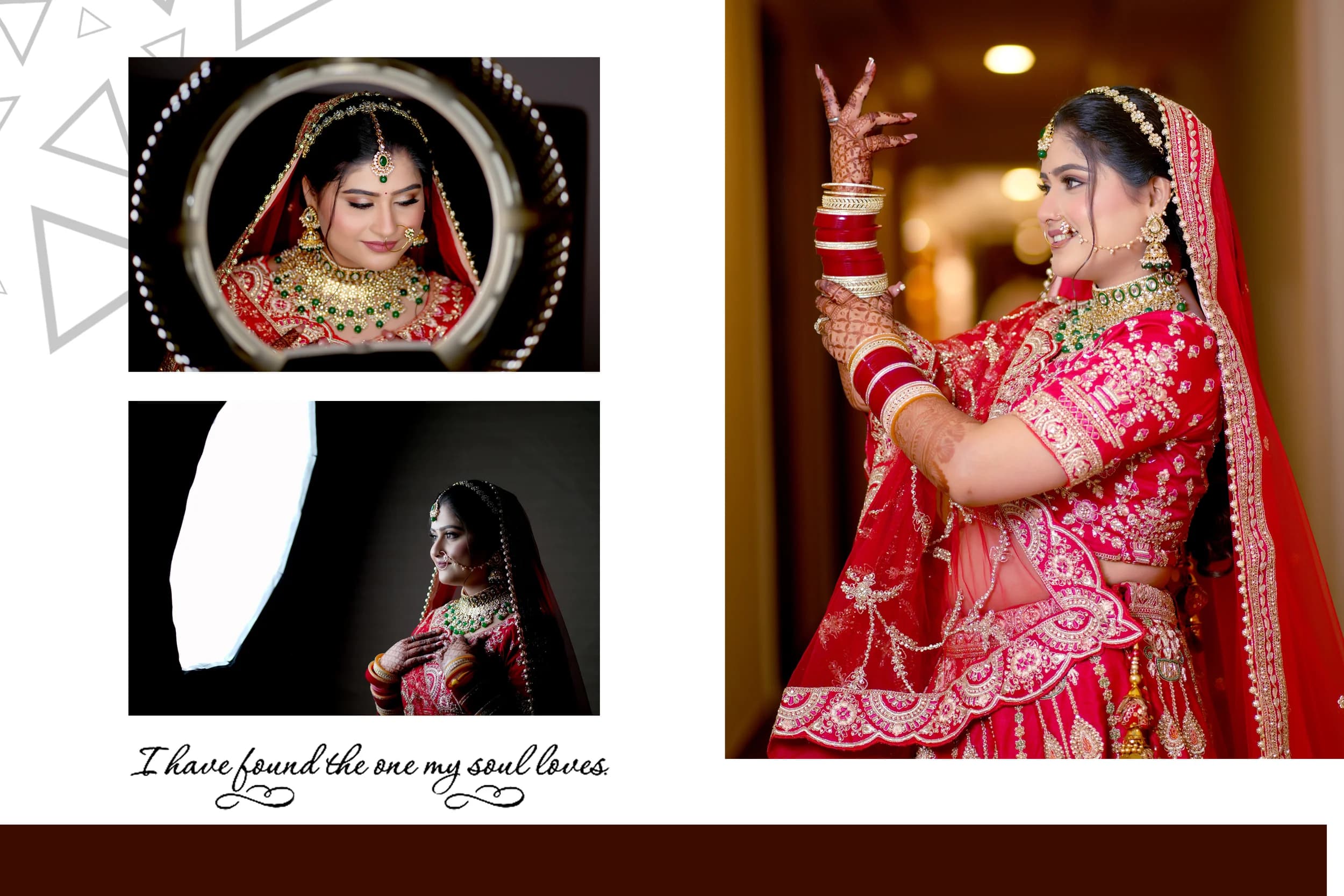
Understanding the NCR Wedding Rhythm
As a Wedding Photographer in Noida, I know the day usually begins before sunrise, especially for couples who want golden‑hour shots of the mandap. In Noida and nearby Gurgaon, traffic starts spilling over the moment the bride’s family leaves the hotel, so we factor in extra travel time. I’ve learned to arrive at the venue at least ninety minutes early to test natural light, check power sources, and meet the decorator. By the time the baraat rolls in, my camera is already set, and the crew knows exactly where the best angles will be.
July weddings bring monsoon humidity that fogs lenses if you’re not careful, while December brings a crisp chill that makes colors pop. In the 2026‑2027 wedding season, we’ve started using polarizing filters to cut glare from the reflective marble floors of many NCR banquet halls. I remember a December ceremony at a Noida hotel where a sudden gust blew the bride’s veil; the wind added a dramatic texture that no studio lighting could mimic. Those seasonal quirks become visual signatures when you understand them.
Why Hire a Wedding Photographer in Noida
Local expertise is more than just knowing the nearest parking spot; it means understanding how the light shifts inside the Hall of Power in Sector 62 versus the open garden at The Grand in Greater Noida. A Wedding Photographer in Noida who has covered dozens of banquets can predict when the chandeliers will dim for the first dance, allowing us to capture that intimate moment without missing a beat. Our familiarity with city permits means we never waste time negotiating with venue managers on the day of the shoot. That kind of smoothness translates directly into more candid, un‑posed frames.
At SRG PRODUCTION - Wedding Photographer in Noida we always start with a quick walk‑through, noting where the sun will strike the mandap at 5 pm and where the kitchen staff will set up the dessert table. This habit saves us minutes that add up to dozens of extra shots of the bride’s reaction as she sees the cake for the first time. We also bring a portable LED panel that mimics the warm glow of traditional diyas, which is a trick we refined after a rain‑soaked ceremony in Delhi last year. Clients often tell us they feel we’re part of the family because we blend into the chaos rather than stand out.
Gear and Teamwork: What Happens Behind the Lens
Our primary rig for a 2026 wedding includes a Sony A1 body paired with two 85 mm f/1.4 lenses for intimate portraits and a 24‑70 mm f/2.8 for wider venue shots. We carry a second mirrorless camera as a backup, because a dead battery in the middle of a baraat would be disastrous. The team also includes a second shooter who focuses on candid moments while I handle the formal group pictures. Together we can capture up to 10,000 high‑resolution images without missing a single laugh or tear.
The lighting crew uses a combination of softboxes and portable strobes that can be powered by the venue’s generator during power cuts, a common hiccup in older NCR halls. I train our assistants to read the bride’s facial cues, so they know when to step in for a quick snap of the bridal bouquet exchange. In one Gurgaon wedding, a sudden blackout forced us to rely solely on natural moonlight; our pre‑set ISO and aperture settings saved the night‑time portraits. The result was a series of ethereal images that the couple still shows at family gatherings.
Capturing Moments That Matter: From Baraat to Bidaï
The baraat is a moving canvas of color, sound, and motion, and the key is to stay mobile. I position myself on a raised platform near the entrance, using a 70‑200 mm lens to compress the crowd and highlight the groom’s expression as he spots his bride. When the ritual reaches the mandap, I switch to the 85 mm to isolate the couple’s hands exchanging rings, allowing the background to melt into a soft blur. By the time we reach the bidaï, the lighting has softened, and we can experiment with slow shutter speeds to capture the flowing veil in a silky motion.
The reception is where storytelling truly shines. We document the first dance, the father‑daughter walk, and those unscripted moments when guests start a spontaneous garba circle in the hall. One evening in Faridabad, the DJ’s bass thumped so hard that the chandeliers swayed, creating a rhythmic pattern of light that we turned into a series of abstract shots. These images often become the favorite prints for couples because they convey the energy of the celebration, not just posed smiles.
Your Next Steps: Booking and Preparing
If you’re ready to lock in a photographer who knows the NCR inside out, start by requesting a detailed portfolio that includes both indoor banquet and outdoor garden weddings. Schedule a face‑to‑face meeting or a video call where we can discuss your timeline, color preferences, and any cultural rituals that need special attention. I recommend finalizing the contract at least three months before the 2026‑2027 wedding season to secure the date and to allow time for a pre‑wedding shoot that helps us sync on style. Once the paperwork is signed, we’ll create a shot list together, ensuring no beloved aunt or grandparent is left out of the final album.